Saturday, 30 March 2013

Stay abed


Just to reassure fellow moth enthusiasts that I am trying, here is a picture of the moth trap this morning. Sadly, the power of its light availed nothing against temperatures well below zero and the patchwork carpeting of snow. The eggboxes were empty come dawn.

There are no Winter Moths abroad in March, with their fascinating equivalent of blood which is more or less the same as car antifreeze - but even so, they take up to half-an-hour to warm up enough to fly on icy nights.

And it has been Arctic. look at these mini-corniches on drifts by a path through our local wood

It's all got me thinking about Darwinism and the way that species adapt, although I consider myself more of a morsel of Lamarckian proof. If I precis correctly, Darwin rightly described evolution as governed by the effects of neutral changes in surroundings whereas Lamarck wrongly suggested that species could play a part themselves in adapting and surviving.

That is what I have done in journalism, which has changed out of all recognition during my working life, but has provided me with a job for over 40 years. That finishes tomorrow, Easter Sunday, when I retire. Look out, moths...

Here is Penny, adapting and surviving on a wintry walk


Thursday, 21 March 2013

Broken upon a wheel


To quote the modern carol: 
                                                 The weather outside is frightful
But the fire is so delightful...

As a result, the trap has been stashed away for ages and looks like staying that way. But entomologists never rest, and I came across this sad scene while cleaning the greenhouse.  It puts you in mind of Oscar Wilde's unhappy last years and the phrase from Alexander Pope which I have used as my header.


It's a Green-veined White, or was. RIP. At least it posthumously carries the promise of Spring and Summer which, for all our dismal snow, sleet and rain this March, are not so very far away.

Wednesday, 6 March 2013

Vernon God Moth

Just a mini-post to say (a) that I am trying to provide you with moths but the total in the trap last night (a bit murky and chilly after the warmest day of the year so far - which isn't saying much) was...nil.

And (b) I am belatedly reading Vernon God Little by D.B.C.Pierre and enjoying it, unexpectedly. I'm only about 50 pages in but he has referred to moths twice.  Among many other things.

And look!  He contributes to a very excellent Irish literary magazine, called The Moth!

The power of Google.

Friday, 1 March 2013

Art of darkness


Today's customary greeting as the first of the month is 'White rabbits!' But here on M's Moths, it is 'Black moth!' because my faith in lighting the trap for the first time since January was rewarded by this: a melanistic Peppered Moth. Isn't it fine, including what my eyes consider a slightly greenish sheen?

But Eeek! See comments and ignore the above... (Although the below still applies to what this moth actually is,  a Pale Brindled Beauty.  I've just been Googling about the subject and found this interesting website to which I hope to contribute in a modest way.)

These used to be two-a-penny in northern England when the factories belched out smoke but they have declined dramatically as the air has grown cleaner and the countryside less polluted, or indeed melanistic. Although I am no expert on Darwinian theory, I once had the pleasure of meeting the late Sir Cyril Clarke, the doctor and entomologist who correlated the rise in non-melanistic Peppereds with the increase in UK centenarians. Buckingham Palace helped him to count him the birthday telegrams from the Queen.


Also in the trap, perched on the edge of the bowl, was this little chap above, whom I'll identify later,  (Update: I think it's a Chestnut) and this littler one below,reading the Scottish section of the Egg Code (did you know we had one?), whom I'll sort out later still. Update: I'm guessing it's Tortricodes alternella, catchy name eh? 


And finally, what is this magnificently spooky non-moth? You can see where people such as George Lucas get their ideas for Star Wars creatures et al.


Sunday, 17 February 2013

Linked up

Just a footnote to yesterday's post. It's hardly an original observation, but today's linked-up world never fails to astonish and delight me. Rambling around on Google last night, in the hope of confirming my suspected Camberwell Beauty, led me to the great website iNaturalist on which I'm now signed up.

I got immediate confirmation that my guess was correct from two other members, one of them at Mexico's National Commission on the Knowledge and Use of Biodiversity, and so I am a happy bunny indeed.

Another side to this Internet Effect is that I suspect that it brings special excitement to those of us who are of, um, more mature years - the opposite of the usual state of things. The elderly are supposed to be cynical in the manner of Victor Meldrew; but with the web, it's the role of the young to say wearily when I'm jumping with joy: "Oh come on Dad/Martin/Mr Wainwright, surely you knew about that..."

Most satisfying.

Finally, a picture taken just before my Camberwell Beauty sighting.  This blog is mostly about the beauties of wildlife but I wouldn't want you to think that I have any doubts about humanity's ability to be colourful too. Especially in Mexico, a wonderful country which I urge one and all to visit, including Mexico City whose image in your mind may be far from the fascinating and hugely enjoyable reality.


My pic is of the hire boats which ply 180km of canals at Xochimilco, scene of my Camberwell Beauty sighting and the last remnant of the great lake of pre-Hispanic times. It's very like a huge and much hotter version of the hortillonnages at Amiens which I visited with my Mum in 2010. the year before she died, and which we (and our French co-navigators) greatly enjoyed.

Here's another picture of Xochimilco and a couple of Amiens too.


 Today is my Mum's birthday, so that's a nice coincidence to round things off.

Saturday, 16 February 2013

More from Mexico

I have always wanted to see a Camberwell Beauty in the wild and now I think I have. My photograph below may not be good enough to clinch the matter, but I'm pretty sure that this butterfly on the banks of the quaint canals of Xochimilco, where we were punted about on our Mexican foray, is the genuine article.


Also in the Sadly Blurred section of my holiday snaps are these two greyish butterflies which flitted about in the woods behind Bahia de la Lunha (see yesterday's post).  I just couldn't get any nearer, much to my frustration.


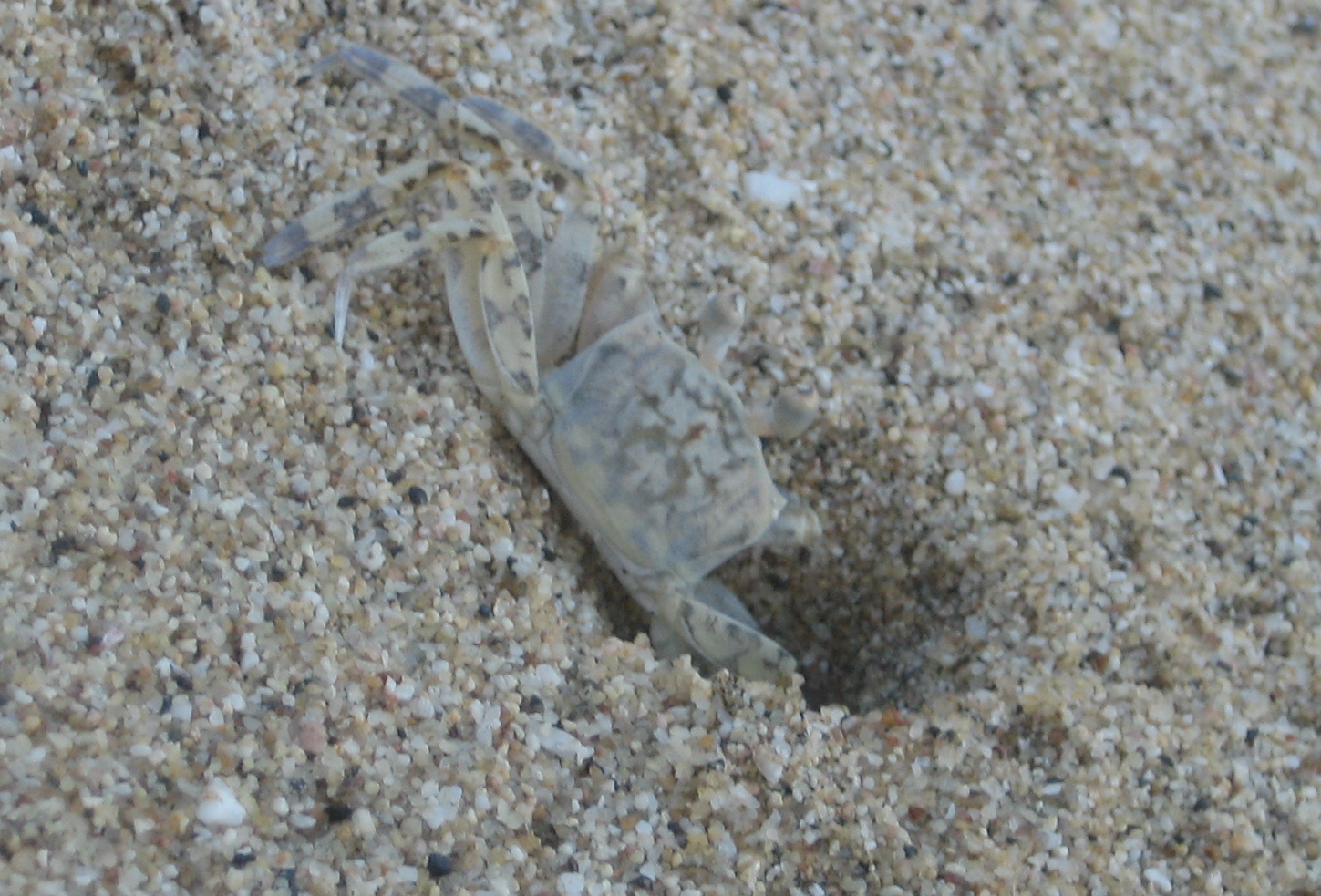
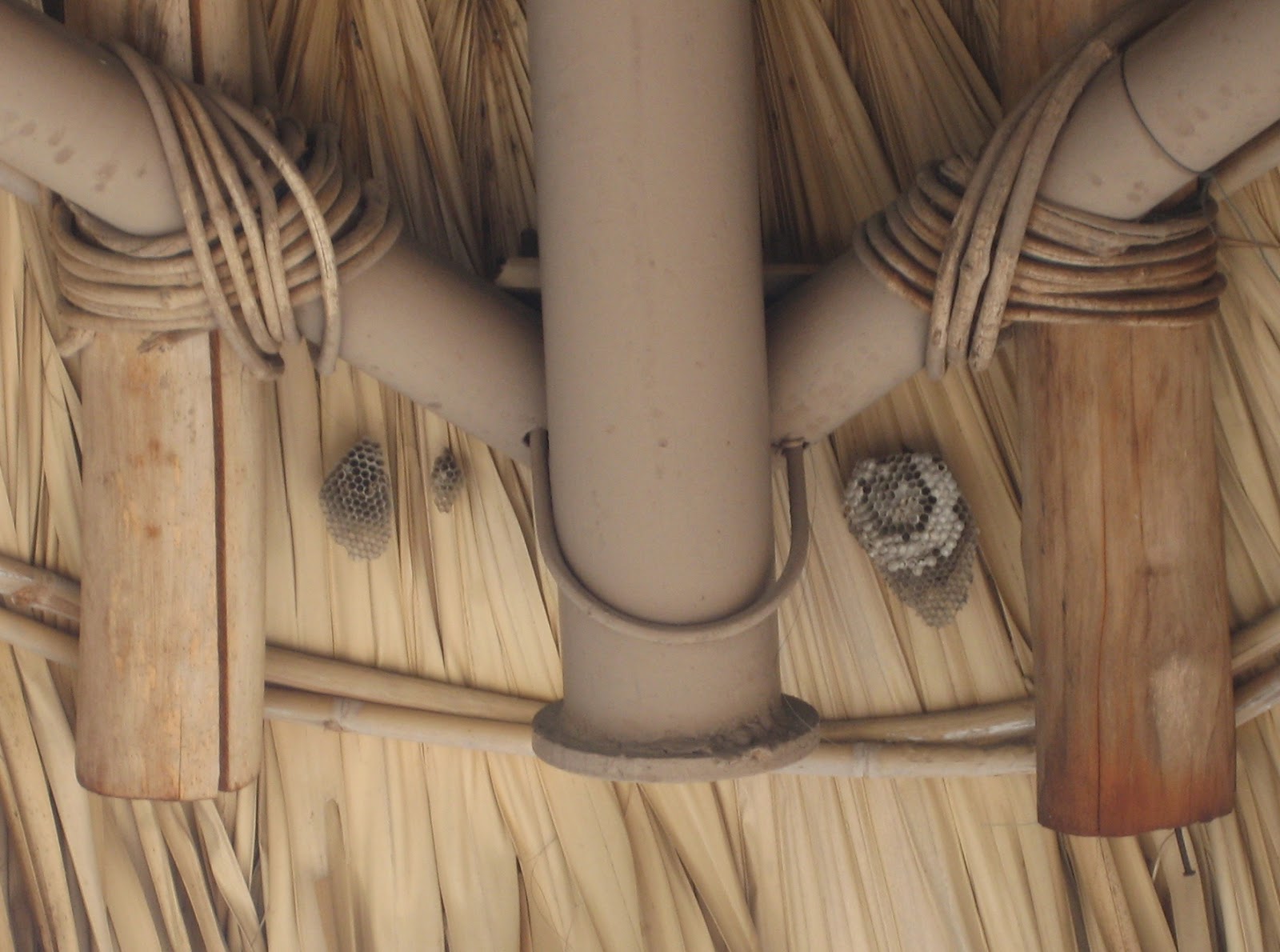
I can't resist adding a few more exotic pics, albeit wholly non-entomological. Behold: bats, a small sand crab scuttling for its hole, Mr and Mrs iguana, a vulture, a wasp or bee of some kind and a flower which does at least resemble a sort of insect. They were all at the the bahia. And to round off, some wasps' nests in the otherwise appealing thatch which covers Huatulco airport terminal.


Friday, 15 February 2013

Mexico selixico

Yes, we have had snow this week in the UK, but what is that to me? Ha! Nothing, because P and I have been in Mexico visiting our son and daughter-in-law - and the mariposas which (older readers may recall) we last enjoyed two years ago when Tom and Abi took us to see the amazing Monarch migration in the mountains of Michoacán.

This time we were in Mexico City - a great place which suffers from a skewed and decontextualised image in the same way that the North of England does - and on the coast of Oaxaca where we saw these lovely creatures. We're only just back home in Leeds with the usual catching-up to do, so I'm posting them for now and will attempt to identify later.


I can at least say with certainty that this is one of Mexico's many beautiful fritillaries, top and underwing.


Here is a Clouded Yellow of some Mexican sort.


These are two tropical species which you often see in UK butterfly houses.


And here is a tattered but delicately patterned woodland species which looks as though it may have a couple of small tails - one lost in this case, through the trials of a butterfly life.

And just to end with, from the sublime to the corblimey, back in Mexico City this very English-looking moth found a refuge in our family laundry...


Wednesday, 23 January 2013

Pee-wit, pee-wit

Another moth-free post today, but if you'll bear with me in my temporary guise of Martin's Birds, I'd like to share my pictures of our local lapwings, spotted by Penny. They aren't normally local. They live up on the moors above the Washburn Valley, where our water comes from, thanks to the foresight of Sir Nicholas Fairbairn and the Leeds city councils which built the great dams at Lindley Wood, Swinsty, Fewston and - nearly a century later - Thruscross. I remember going as a child to the church at West End on its last Sunday before the new dam's sluicegates closed and the hamlet disappeared for ever (or at least until the 1996 Great Yorkshire Drought).


The lapwings' call of 'pee-wit', which is one of their nicknames, is part of the lonely atmosphere of the moors, a plaintive cry which often goes with their ploy of pretending to have an injured wing (hence their name) and leading a potential predator away from their nest. Now we have them calling here, because when it gets too cold at home, they fly down to the warmer fleshpots of Leeds. Not that 'warm' is quite the right word, as the pictures show. I could do with that sheep's fleece - and maybe with a lapwing's crest as a male fascinator (an article of headwear which someone really should invent).


Tuesday, 22 January 2013

Ice station moth - plus spying plans

I haven't actually tested this theory by putting out the trap - and maybe I will tonight - but if any moth is on the wing in the UK's current conditions, it must be mad. Still, whatever the cold and disruption, we are living temporarily in a winter wonderland. I know that snow pictures are all the same, but isn't it beautiful? And if you look carefully, you can see Penny's carefully trimmed Lonicera elephant.


Meanwhile, we were foraging in John Lewis in London at the weekend and I let out a small cry of excitement on seeing this:


Penny looked a little alarmed; but I have no wild ideas about having further children. I'm just very into the possibility of using one of these remote monitors later this year in the trap.  I wonder if you can hook them up to digital recorders, because I don't really want to stay up to watch live. But anyway, this could add a whole new dimension to my musing come may; and if I go for the version shown below, I can enrich the dozing moths' lives with soothing music and colours.

Friday, 4 January 2013

The moth in the attic

I just unearthed a big box of Lego from the attic as part of our continuing early Spring clean, and inside it was this mummified Copper Underwing (or it may be a Svensson's CU; the difference is too close for me too tell).


Dead alas, but dead in a form which allows me to show you the reason for its name; something very hard to capture while the moth is alive.

Earlier today I achieved another of my Yorkshire Ambitions although quite unexpectedly. Joining friends for a walk around Eccup, that pleasantly-named hamlet on the north eastern edge of Leeds, we went close to the fake TV village used in the Emmerdale soap.


Here it is, complete with a red kite - one of many soaring around - inspecting possible carrion in a field of sheep. Before Yorkshire TV built the dummy deep in the grounds of Harewood House, the series was made at Esholt, the old Bradford sewage workers' village not far from our house. Because there was so much lanolin in Bradford's waste from the wool industry, the sewage works had huge presses to squeeze it out for makers of cosmetics - and, appropriately, soap.

You can't get nearer the fake one, I'm afraid, without loudspeakers starting up and ordering you off.

Monday, 31 December 2012

A wet but fascinating walk

Is Christmas safely over?
This post is abuse of the moths blog since no moths feature in it, but I wanted to share my picture of an inquisitive goose. It saw Penny, myself and Olly off from the very fine Sun Inn in the Washburn valley on a soggy walk to Beaver Dyke reservoir and John O'Gaunt's castle.

This is a lasso-shaped route round a little bit of Yorkshire which I have never explored before, although I have been to the Sun Inn many times. We all agreed that a return in warmer weather was essential, to check out the pretty upper valley of the Oak beck and solve the mystery of the Harrogate Waterworks metal hatch

This has separate bits labelled 'Mild Sulphur' and 'Strong Sulphur' - see second picture below - but my Googling has so far failed to ascertain why. I don't think that the town's famous sulphur springs spread this far so maybe the fresh Pennine water from Beaver Dyke, filtered through the local sandstone, is used to dilute the foul stuff at the actual spa. The search will go on.


We really want to explore the fragmentary but intriguing remains of John O'Gaunt's castle too, a place where King Edward I stayed and presumably gazed like us on the driving mediaeval rain. It was so wet and cold and the ground so sopping that we didn't even battle across to look at the noticeboard which you can maybe make out in the third picture on a stumpy wall to the left of the barn and below a shadowy wind turbine.

The weather looks a lot nicer in the picture than it was but, thank goodness, it stopped raining on the final leg back to the pub where a really nice Dad, who got engaged to his wife at the castle, gave us his table by the blazing fire.

Saturday, 29 December 2012

Joys in store

It was so warm last night, in spite of our sopping Christmas weather, that I put the trap out for the first time in ages. Result? Nix, but then it had started getting wet again in the small hours which may have grounded any venturesome moths which had been on the wing earlier.

I can offer you this photo of another and very dramatic flyer, though: a Red Kite over our garden; only the second I've seen here, though they are advancing in all directions from their reintroduction centre at Harewood about six miles away. Some have been seen over the centre of Leeds where in mediaeval times they were familiar scavengers. Sorry it's rather a sketchy image; I cropped it from my original 'phone pic on which it was but a speck.


Also, for any moths which may be reading, look at your new overnight resting place in the coming year: a 'Bronte Brown' eggbox. I keep an informal tally of things named after the famous literary sisters, which ranges from sunbeds to ice cream.

The eggs weren't that brown, but half-a-dozen we got from the hens at Botton village near Danby on the edge of the North York Moors really are. They are a present from my lovely cousin Catherine who works there and came to our family party two days ago. As you can see, they are extra excellent because they were laid on The Day.

Sunday, 23 December 2012

Merry Christmas from me and the moths

I briefly thought we had a Christmas miracle here. We were moving furniture to put up the Christmas tree in its usual place and under an armchair, we found a little Winter Moth in the take-off position.


Its body was arched, legs on the carpet and wings angled back, for all the world like a jet plane quivering on the back of an aircraft carrier. Given that Winter Moths can take half an hour to get going in cold conditions, I imagined that it was just nicely warmed up and ready to fly. But alas. No movement, and when I touched it gently with my finger, it toppled over. Long dead.


I have given it a posthumous Santa hat in one photo and a sprig of holly in the other, to wish you the merriest Christmas - from the Beyond, in the moth's case, and from the Here and Now in mine. And all the warmest wishes for the coming year.

Doesn't our carpet look nice in the second photo?  And aren't my Photoshop skills coming along? Watch out in April...

Wednesday, 5 December 2012

Safe haven?

When you have a general clear-up and sort-out in the winter months, as we are doing, you are almost certain to come across a hibernating butterfly somewhere in the house. Sometimes it will be a Small Tortoiseshell but more commonly a Peacock. It will be very hard indeed to wake, so you can study it at leisure, although the wings are normally tightly-folded and the beautiful colours hidden.

The habit accounts for the sudden appearance of butterflies during warm winter spells which in turn has led to stories and legends of their significance. The opening run of a play, with the ideal hibernating place of the theatre curtains suddenly disturbed, is a well-known example, supposedly boding well for the show.


I don't want to try to be too scientific, for fear of spoiling such notions; but finding this Peacock in the picture, tucked deep inside a storage shelf, has set me wondering about predation, especially by mice - whose droppings were nearby as you can see - or spiders, which had built webs over the very front of the shelf. Sure enough, if you type 'hibernating butterflies' and 'predators' into Google, all manner of fascinating papers on this subject are to be found.

I have only just started reading them; and have yet to type 'spiders' in as well. But already I have learned that flicking the wings with a hissing sound, which Peacocks can do, may have evolved as a winter defence.  Happy research, if the subject interests you. What curiosity one slumbering insect can inspire...

Monday, 26 November 2012

Kitchen cabinet moth

It's too dark in the morning to trap these wintry days, and you may have read that poor old England is getting a thorough soaking too. But eagle-eyed Penny provides me with a moth even so, slumbering on one of our kitchen cupboards by the door hinge.

It is a Winter Moth unsurprisingly, a fascinating species whose 'blood' is akin to anti-freeze which allows it to thrive at this inhospitable time of the year. This one is a particularly impressive example of the survival of the fittest, having found its way into our cosy home.

Or is it? Given that it has the means to survive outside, perhaps it is risking the weakening of its powers, and those of its descendants, by taking this superficially cunning step. You can read a bit more about the antifreeze side of things in this post from January two years ago. 

Wednesday, 14 November 2012

Good Housekeeping III


It's Good Housekeeping time again, as I sweep out the nooks and crannies of the blog, coil up the wire and clean out the dusty bowl of the trap. Eggboxes are good for lighting the bonfire too (once I've made sure that no moths are slumbering in the cones). Plus the annual audit. In spite of the very poor weather, this has been a good year for species new to the garden here in Leeds: 26 moths and 27 micros which have not visited since I started trapping five years ago. Here's my full list over that time with this year's newcomers in bold:

Moths: 

Alder, Angle Shades, Angle-striped Sallow, Antler, Autumnal Rustic, Barred Red, Barred Straw, Barred Yellow,Beautiful Golden Y, Black Rustic, Blackneck, Blair’s Shoulder Knot, Bloodvein, Bordered White, Bright-line Brown-eye, Brimstone, Brindled Green, Brindled Green, Brown China Mark, Brown Silver-line, Buff Arches, Buff Ermine, Buff Footman, Buff Tip, Burnished Brass, Campion, Canary-shouldered Thorn, Centre-barred Sallow, Chestnut, Chimney Sweeper, Cinnabar, Clouded Border,Clouded-bordered Brindle (plus ab Combusta), Clouded Drab, Clouded Brindle, Clouded Silver, Common Carpet, Common Emerald, Common Footman, Common Marbled Carpet, Common Quaker, Common Rustic, Common Swift, Common Wainscot, Common Wave, Common White Wave, Common Yellow Underwing, Copper Underwing and/or Svensson’s C.U. (impossible to distinguish without expert help), Coxcomb Prominent, Cream Wave, Crescent, Dark Arches, Dark-barred Twin-spot Carpet, Dark Brocade, Dark Dagger


Dark Marbled Carpet, Dark Spectacle, Dark Swordgrass, December Moth, Dot, Dotted Border, Double-lobed, Double-striped Pug, Dun-bar, Dusky Brocade, Dusky Thorn, Dwarf Pug, Early Grey, Early Thorn, Elephant Hawk, Engrailed, Fan-foot, Feathered Thorn, Figure of 80, Flame, Flame Carpet, Flame Shoulder, Flounced Rustic, Foxglove Pug, Freyer's Pug, Frosted Orange, Garden Carpet, Ghost, Gold Spangle, Gold Spot, Golden-rod Pug, Gothic, Green Arches, Green-brindled Crescent, Green Carpet, Green Pug, Green Silver Lines, Grey Arches, Grey Birch, Grey Chi, Grey Dagger, Grey Pine Carpet, Grey Pug, Grey Scalloped Bar, Heart and Dart,Hebrew Character, Herald, Ingrailed Clay, Iron Prominent, July Highflyer, Knot Grass, Large Emerald, Large Yellow Underwing, Lead-coloured Drab, Lempke’s Gold Spot  Lesser Broad-bordered Yellow Underwing, Lesser Common Rustic, Lesser Swallow Prominent, Light Arches, Light Emerald, Lime Hawk including Var Brunnea, Lunar Underwing, Lunar Marbled Brown, Lychnis, Marbled Beauty, Marbled Minor, March Moth, May Highflyer, Middle-barred Minor, Miller, Mottled Beauty, Mottled Rustic, Mottled Umber, Narrow-bordered Five-spot Burnet, November moth, Oak Beauty, Oak Hooktip, Ochreous Pug, Old Lady, Orange Sallow, Orange Swift, Orange Underwing, Pale Brindled Beauty, Pale Mottled Willow, Pale Pinion, Pale Prominent, Pale-shouldered Brocade, Pale Tussock (including dark variety), Peach Blossom, Pebble Hook Tip, Pebble Prominent, Peppered (including melanistic variety), Phoenix, Pink-barred Sallow, Plain Golden Y, Poplar Hawk, Powdered Quaker, Purple Bar


Purple Thorn, Red Underwing, Red-green Carpet, Red-lined Quaker, Riband Wave, Rivulet, Rosy Rustic, Ruby Tiger, Rufous Minor, Sallow,Sallow Kitten, Satin Beauty, Satellite, Scalloped Hazel (including var nigra), Scalloped Hook-tip, Scalloped Oak, Scarce Silver Lines, Scorched Wing, September Thorn, Setaceous Hebrew Character, Shaded Broad-bar, Shoulder-striped Wainscot, Shuttle-shaped Dart, Silver Y, Single-dotted Wave, Slender Brindle, Small Angle Shades, Small Fanfoot, Small Fan-footed Wave, Small Magpie, Small Phoenix, Small Quaker, Smoky Wainscot, Snout, Spectacle, Spruce Carpet, Square-spot Rustic, Straw Dot, Streamer, Swallow Prominent, Swallowtailed, Tawny-barred Angle, Treble Bar, True Lover’s Knot, Twin-spotted Quaker, V-pug, White Ermine, Willow Beauty, Winter moth, Wormwood Pug, Yellow-barred Brindle, Yellow-line Quaker, Yellow Shell

Micros: 

Barred Fruit-tree Tortrix (Pandemis ceranasa), Bird-cherry Ermine, Brown Grey (Scoparia ambigualis), Catopria margaritella, Diurnia fagella, Dipleurina lacustrata, Emmelina monodactyla, Garden Rose Tortrix, Green Oak Roller (Tortrix viridiana), Mother of Pearl, Plume (Stenophilia sp.), Pyrausta aurata,Spindle Ermine, 20-plume, Ypsolopha Sequella, Brown Grey Moth, Garden Pebble, Acleris shalleriana, Light Brown Apple Moth, Eudonia mercurella, Meal Moth, Marbled Orchard Tortrix, Cypress Tip, Acleris forsskaleana, Phyllonorycter geniculella, Eudonia mercurella, Brown House Moth, Bramble-shoot Moth, Anania coronata, Green Oak Roller, Carnation Tortrix, Tinea trinotella, White-shouldered House Moth, Argyresthia trifasciata, Epiblema cynosbatella, Eriocranaria subpurpurella, Ancylis badiana, Blastobasis lacticolella.


I haven't had time to put the micros in alphabetical order or give them their Linnean names but I will get round to doing that. As you can see, there are many more of them, thanks to my snazzy new Micro moth Bible. I'll do an overall count too, when I'm a little less tired, to compare with 200 on 18 June last year and 158 on 1 August 2009. 

My moth of the year is the Mottled Umber and I have stuck in a few recent pictures of some to relieve the listy nature of this post. Byeee, with a final picture of an underwing looking like a loveheart. Aaaaaah.